Easy protein wins: Why cottage cheese works
Lifestyle

Audio By Carbonatix
6:30 AM on Thursday, March 12
By Jackie Dowling for Daisy Brand, Stacker

Easy protein wins: Why cottage cheese works
Protein has broken out of the gym and into everyday life, becoming a cornerstone of the American diet and reshaping how people think about meals, snacks, and overall wellness.
Research consistently points to the benefits of eating more protein, including improved muscle mass, maintaining a healthy weight and bone strength. Whether it’s the rise in popularity of on-the-go protein snacks or the addition of protein-rich menu items at your favorite restaurants and takeout spots, protein is at the forefront of nutrition in 2026.
In this article, Daisy Brand examines how protein consumption patterns are evolving and why consumers should prioritize choosing whole-food, high-quality protein sources to meet daily protein needs.
Americans are eating protein, but not all day long
The focus on protein has steadily increased over the last decade, particularly among adults prioritizing active aging, metabolic health, and weight maintenance.
According to the US Proteins and Protein Alternatives Market Report published in 2024 by Mintel Market Intelligence, over 90% of U.S. consumers have eaten animal-based protein in the past six months. Almost half included plant-based proteins in their diet.
Americans are eating protein, but when and how it’s eaten may matter just as much as total intake.
While many Americans meet or exceed minimum protein recommendations, distribution across the day is often uneven, with breakfast and snacks underrepresented in protein.
What are high-quality protein options?
Protein serving goals in the 2025–2030 Dietary Guidelines for Americans increased nearly 50%-100% from previous recommendations, to 1.2-1.6 grams of protein per kilogram of body weight per day, adjusting as needed based on your individual caloric requirements.
The guidelines advise Americans to: “Prioritize high-quality, nutrient-dense protein foods as part of a healthy dietary pattern.”
But how do you know which proteins to choose?
The focus should be on whole foods: foods that are minimally processed and as close to their natural form as possible.
There are many whole food protein options readily available in grocery stores and specialty markets across America, including poultry, seafood, dairy (milk, yogurt, cottage cheese), whole grains (quinoa, rice, farro), beans and nuts.
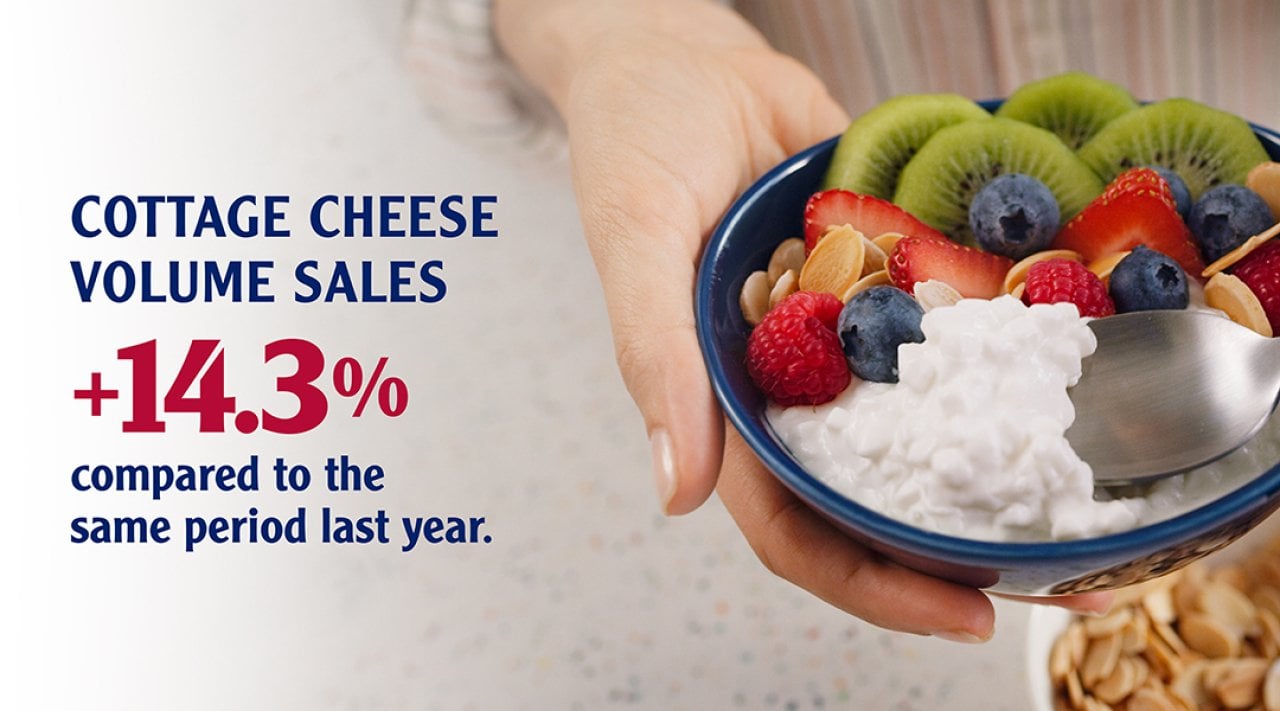
High-quality proteins are “complete proteins” that contain all nine essential amino acids — the building blocks of protein — necessary for the body’s needs. Dairy, eggs, meat, and soy are examples of complete proteins.
Today’s protein options also include supplements, fortified foods, and ultra-processed products that require little preparation. While convenience goes a long way in today’s hectic society, these are not considered minimally processed or high-quality protein options.
Versatility matters: How cottage cheese can help
Consuming a variety of protein sources at each meal, including breakfast, snacks, and even dessert, can support muscle maintenance, steady energy levels, and overall metabolic health.
Dairy foods are commonly incorporated into savory and sweet dishes to up the protein content, from blended batters to spreads and toppings, without requiring complicated preparation. One popular trend that went viral on social media is incorporating protein-rich cottage cheese into dessert recipes. It’s also an easy, protein-rich ingredient in savory dishes.
These recipes show how easily cottage cheese can fit into any meal:
- Quick Breakfast: Old Fashioned Oats with Cottage Cheese & Fruit
- Twist on Pizza: Pizza Bites Recipe
- Protein-forward lunch: Black Bean Nachos
- Sweet treat: Cinnamon Raisin Baked Apples
A simple approach to daily protein
Successfully adopting a diet prioritizing whole food, high-quality protein sources depends on planning as much as awareness. As interest in wellness continues to shift toward manageable habits rather than extremes, foods that are simple, versatile, and easy to take on the go may help close the gap between intention and routine.
Start small and commit to incorporating at least one whole food protein option into each meal every day. Following this simple step will help high-quality protein become an achievable part of your daily routine.
This story was produced by Daisy Brand and reviewed and distributed by Stacker.
