4 Reasons Families Will Love ‘Toy Story 5’
Movies

Audio By Carbonatix
By Michael Foust, Movies
It Brings Back the Familiar Voices – and the Charm Fans Love
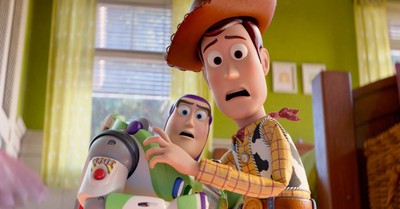
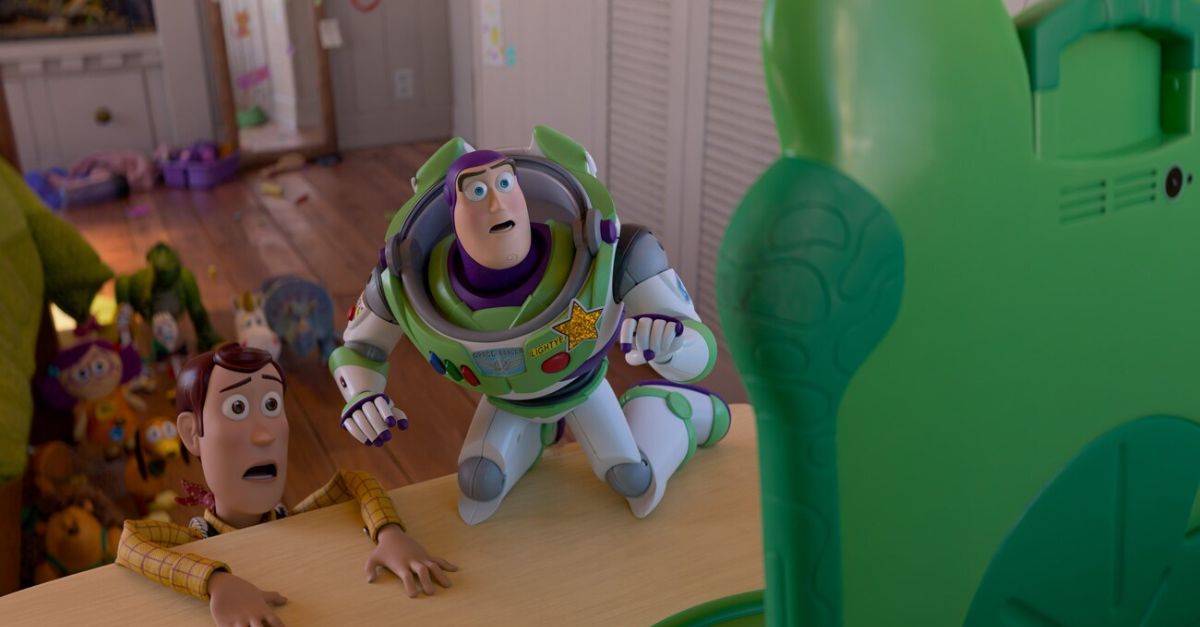
Tom Hanks returns as the voice of Woody, Joan Cusack as Jessie, Wallace Shawn as Rex, Tony Hale as Forky, and John Ratzenberger as Hamm. Perhaps most importantly for longtime fans, though, Tim Allen is back as the voice of Buzz after sitting out the spinoff film Lightyear (2022), in which Disney and Pixar cast Chris Evans to portray the character's human inspiration rather than the toy itself. And there's plenty of Buzz in this film – dozens of them, in fact. An army of high-tech Buzz Lightyear toys washes ashore following a maritime mishap and soon begins searching for its mission.
Toy Story 5 also retains the charm that has defined the franchise. The toys still embark on wild adventures, only to freeze when a child enters the room. They still devise elaborate schemes, with Woody and Buzz even plotting to unplug Bonnie's new device so traditional toys can regain her attention. Most importantly, the film still celebrates the wonder of childhood – and reminds adults never to underestimate the value of imaginative play in a child’s life.
Photo Credit: ©Pixar
It Reunites Beloved Characters While Introducing New Ones, Too
Toy Story 5 begins largely where Toy Story 4 left off, with Jessie, Buzz, and the rest of Bonnie's familiar toys still living in her room, and with Woody and Bo Peep – now a couple – spending their days helping lost toys find new homes. The film even offers a humorous update on the budding romance between Forky and another plastic kitchen utensil, who marry in an imaginative wedding ceremony, with Bonnie declaring, “I now pronounce you husband and knife.”
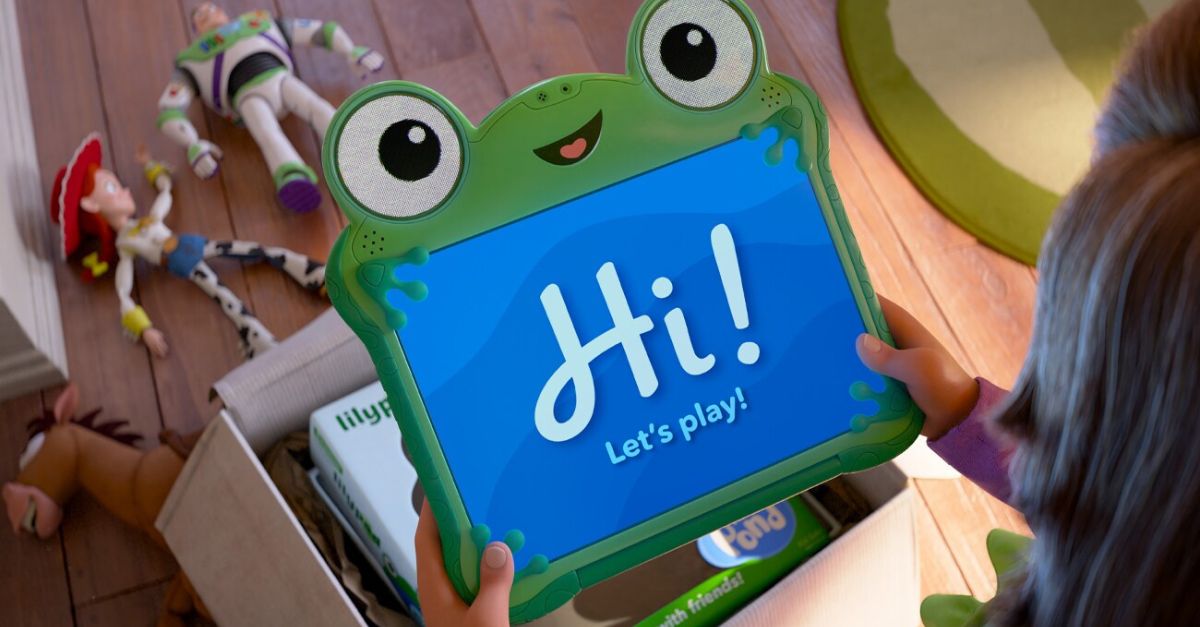
Before long, though, this familiar routine is disrupted when Bonnie’s parents buy her a new device called Lilypad, a supposedly educational gadget designed to help the introverted 8-year-old make friends. After all, all the other kids have one, right? Pixar says Lilypad isn't a villain, but as the story unfolds, it becomes clear it isn't beneficial, either.
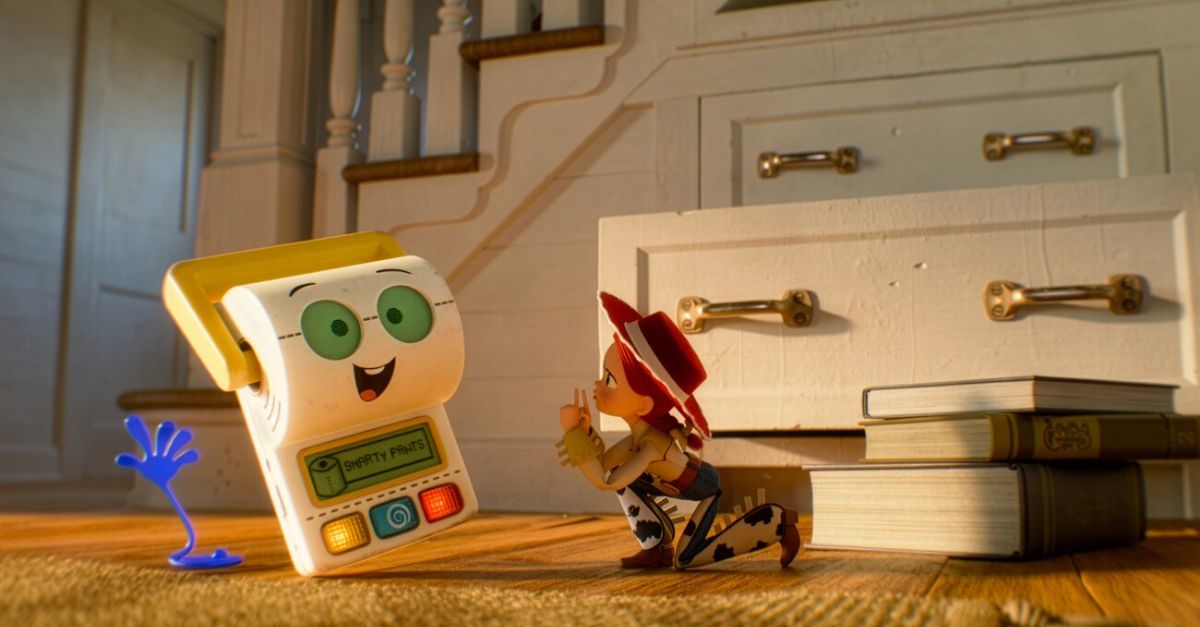
The film introduces several other new characters, too, including Smarty Pants (Conan O'Brien), a potty-training toy that has spent years forgotten in a drawer. Smarty Pants and his low-tech companions come back to life, though, when Jessie and the gang discover them – and they’re shocked by how many years their owner – a girl named Blaze – has aged. By now, Blaze is older and can handle much of life on her own. (“She did it without me!” Smarty Pants exclaims when he watches her exit the bathroom.)
Photo Credit: ©Pixar
Its Message About Kids and Tech Is Exactly What Our Culture Needs
Pixar films have a way of aiming for the heart and delivering powerful messages for both children and adults. Toy Story 5 does exactly that, celebrating the creativity, imagination, and hands-on play that have defined childhood for centuries – while contrasting them with the passive, screen-driven, imagination-robbing entertainment that so often captures children's attention today.
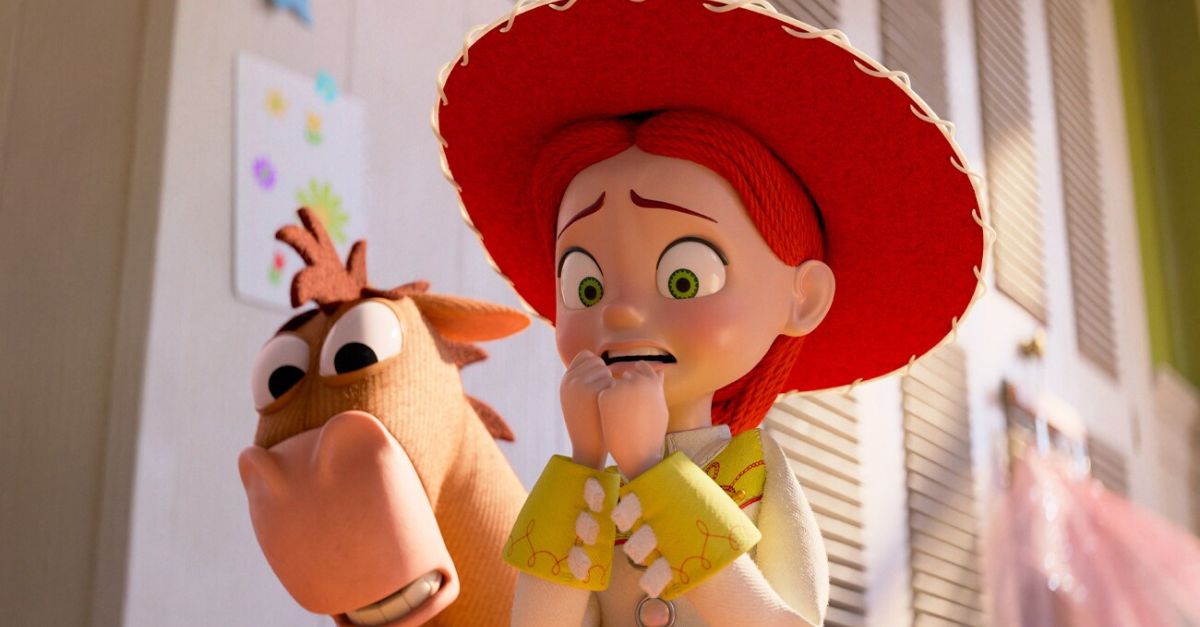
This theme is illustrated early in the film when Bonnie is shown happily laughing and playing with her traditional toys. Jessie and Bullseye – wanting to find her a playmate – embark on a mission and climb to the top of a house to scout the neighborhood, but, unfortunately, find no children engaged in imaginative play. Instead, all of them are sitting quietly on couches, absorbed in screens.
Spotting a pair of twin girls she thinks would be perfect companions for Bonnie, Jessie is disappointed to discover that neither is playing with toys. “They're both just sitting there doing nothing – they ain't playing with toys at all,” she says. As she continues scanning the neighborhood, she sees more of the same: child after child focused on a device.
“The age of toys is over,” a nearby worn-out toy tells Jessie.
“Once tech invades your home, you're dead,” the toy adds.
The film, thankfully, doesn’t fall back on the familiar “screentime is fine in moderation” message that so often accompanies discussions about children and tech. Instead, it portrays Bonnie in a state every parent has witnessed: moody, lethargic, and irritable after spending time on a screen – and frustrated when it stops working. Away from Lilypad, she is cheerful, creative, and engaged. When she’s on it, she becomes withdrawn and dependent. Just like choosing between Twinkies over vegetables, children will almost always gravitate toward the less healthy choice when it comes to entertainment, too.
At times, the film feels like a 90-minute reminder that children – especially the youngest ones – don’t need their own tablet. (Maybe Toy Story 6 can tackle teenagers and smartphones, but I digress.)
A growing body of research has linked excessive screen time among children to problems ranging from reduced attention spans and lower academic performance to increased anxiety, depression, and sleep disruption. It's a concern that surgeons general from both Republican and Democratic administrations have highlighted in recent years.
Photo Credit: ©Pixar
It Delivers a Much-Needed Lesson About Online Bullying
Bonnie’s new Lilypad includes more than just educational games – it also includes a child-like form of social media that allows her and her friends to connect. No doubt, it has its short-term benefits, such as when Bonnie easily connects with the neighborhood kids and gets invited over to the sleepover. But her excitement quickly disappears when Bonnie takes Jessie and Bullseye to her friend’s house for the sleepover and is ridiculed by one of the girls, who is holding a pad.
“You still play with toys?”
But the bullying only gets worse – and quickly moves online. When Bonnie's new friends discover she has not abandoned her interest in traditional toys, they mock her with images of crying babies and taunting emojis, leaving Bonnie hurt and withdrawn from her parents.
Thankfully, there is another girl in the neighborhood – Blaze – who shares Bonnie's interests. Jessie and Bullseye team up with Woody, Buzz, and the rest of the gang to bring the two girls together, and, by the film's final scenes, Lilypad has faded into the background. Instead, Bonnie and Blaze are laughing, imagining, and playing together in Bonnie's room – the very activities that once defined childhood.
Toy Story 5 delivers everything that made the earlier films memorable: humor and heart. But it also offers a message that feels especially timely.
Maybe one film alone cannot change a culture. But when that film comes from Disney and Pixar, perhaps it can serve as a giant drop in the cultural ocean – creating ripples that remind families that screens are robbing kids of the simple joys of childhood.
Toy Story 5 is rated PG for some thematic elements and rude humor. The film contains no coarse language, although one toy begins a boastful insult and says, “He’ll wipe your a–” before the sentence is cut off.
Entertainment rating: 5 out of 5 stars. Family-friendly rating: 4.5 out of 5 stars.
Photo Credit: ©Pixar
